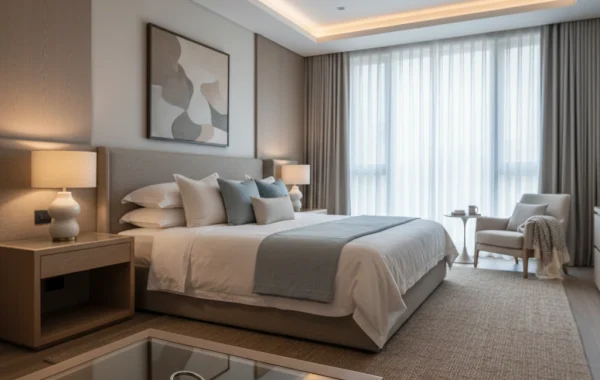


The psychology of room colors explains how different shades influence human mood,
emotions, and mental responses within an interior space. Colors are more than
visual elements; they quietly affect how comfortable, calm, energetic, or
focused a room feels. Certain colors can create a sense of relaxation and
emotional balance, while others stimulate activity, creativity, and social
interaction. Because of this, color selection plays an important role in shaping
the overall experience of a space.
In interior environments, the way colors interact with lighting, layout, and
function determines how people feel and behave throughout the day. Whether it is
a living area, bedroom, or workspace, understanding how colors influence mood and
mind helps create interiors that feel intentional, supportive, and emotionally
comfortable rather than overwhelming or disconnected.
Understanding the Psychology of Room Colors
Understanding the psychology of room colors helps explain how different shades influence emotions, behavior, and mental comfort within an interior space. Colors are processed by the brain before we consciously react to them, which is why they can quietly shape how a room feels the moment we enter it. The right color choices can create a sense of calm, warmth, focus, or energy, while poorly chosen colors may lead to discomfort, distraction, or emotional imbalance.
Colors interact closely with lighting, room size, and purpose, making them a key design element rather than a simple decorative decision. For example, lighter colors can make a space feel open and breathable, while deeper tones can add depth and intimacy when used thoughtfully. These psychological responses explain why color selection plays such an important role in how people experience their surroundings on a daily basis.
In interior design, understanding color psychology allows spaces to be planned with intention rather than guesswork. By learning how room colors affect mood homeowners and designers can make informed choices that support emotional balance, visual comfort, and functional use of a space. This approach helps create interiors that feel harmonious, purpose-driven, and genuinely comfortable to live in.
The Unspoken Language of Your Walls
The unspoken language of your walls is communicated through color and how it
quietly interacts with the human mind. Long before we consciously analyze a
space, wall colors begin to influence emotions, attention, and comfort levels.
This silent communication shapes first impressions and affects how welcoming,
calm, or stimulating a room feels from the moment someone enters it.
Wall colors also influence daily behavior in subtle ways. Soft, balanced tones
can encourage relaxation and mental ease, while stronger or more vibrant shades
may increase alertness and creativity when used thoughtfully. Because walls
occupy a large visual area, their color has a stronger psychological impact than
smaller decorative elements. This makes wall color selection one of the most
important decisions in shaping the overall atmosphere of an interior space.
In interior planning, understanding this silent influence allows spaces to be
designed with intention rather than chance. By recognizing how
[ANCHOR-1] wall colors influence emotions [/ANCHOR-1], designers and homeowners
can create environments that feel emotionally supportive, visually comfortable,
and aligned with the purpose of the room.
Calming Colors and Their Effect on the Mind
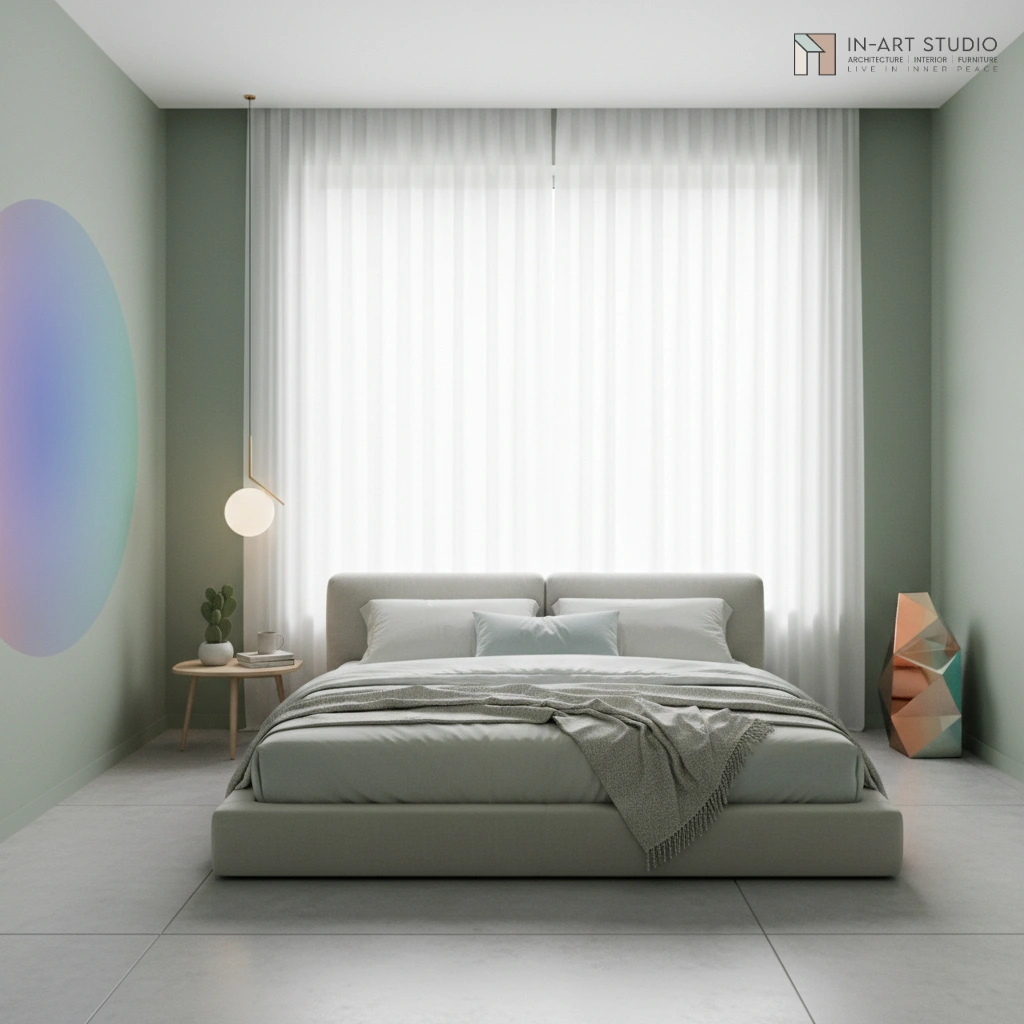
Calming colors play a significant role in creating emotionally balanced and
restful interior environments. In the psychology of room colors, certain shades
are known to slow mental activity, reduce stress, and support a sense of peace.
These colors are often used in spaces where relaxation and emotional comfort are
essential, such as bedrooms, reading areas, and quiet corners of the home.
Colors like blue and green are commonly associated with calmness and stability.
Blue can help reduce feelings of tension and promote mental clarity, while green
offers a natural sense of balance and renewal. When applied thoughtfully, these
shades help create interiors that feel soothing rather than overwhelming. Their
effect becomes even stronger when combined with soft lighting and simple design
elements.
In interior design planning, calming colors are used to support both emotional
well-being and functional comfort. By understanding how
calming colors affect the mind homeowners and designers
can create spaces that encourage rest, relaxation, and a healthier emotional
connection with the environment.
Energizing Colors That Boost Mood and Creativity
Energizing colors are known for their ability to stimulate the mind and elevate
emotional energy within an interior space. In the psychology of room colors,
vibrant shades can increase alertness, motivation, and creative thinking. These
colors are often used in areas where activity, interaction, and expression are
encouraged, such as living rooms, dining spaces, and creative work areas.
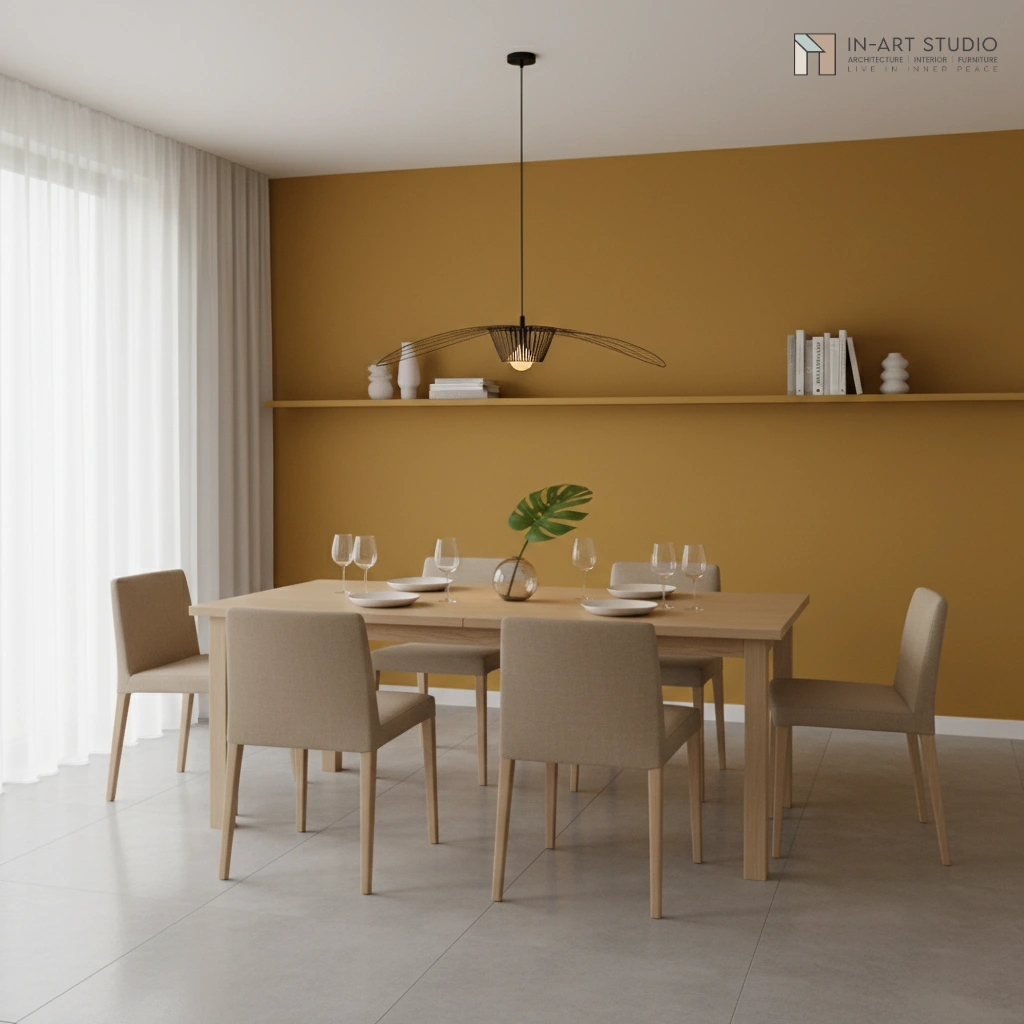
Colors like red, orange, and yellow are commonly associated with warmth and
movement. Red can create a sense of intensity and excitement, which is why it is
most effective when used as an accent rather than a dominant wall color. Yellow,
on the other hand, is linked to optimism and creativity, helping spaces feel
bright and mentally stimulating when applied in balanced amounts.
In interior design, the key to using energizing colors successfully is control
and moderation. By understanding how
[ANCHOR-1] energizing colors boost mood [/ANCHOR-1], designers and homeowners can
create interiors that feel lively and expressive without becoming visually or
emotionally overwhelming.
The Role of Neutral Colors in Interior Spaces
Neutral colors play a foundational role in shaping balanced and comfortable
interior spaces. In the psychology of room colors, shades such as white, beige,
gray, and soft earth tones help create a sense of visual calm and mental clarity.
These colors reduce visual noise, allowing the mind to feel settled and at ease
within a room.
One of the strongest advantages of neutral colors is their flexibility. They act
as a supportive backdrop that allows furniture, textures, and accent colors to
stand out without overwhelming the space. In interior environments, neutrals
help maintain harmony across rooms, making them especially useful for shared
areas and open-plan layouts.
In home-focused interiors, neutral palettes support long-term comfort and
adaptability. By understanding how
[ANCHOR-1] neutral colors support interior balance [/ANCHOR-1], homeowners and
designers can create spaces that feel timeless, cohesive, and emotionally
comfortable while still allowing room for personal expression.
How to Choose the Right Colors for Your Room
Choosing the right colors for a room requires more than personal preference.
Color decisions should be guided by the purpose of the space, lighting
conditions, and the emotional atmosphere you want to create. In the psychology
of room colors, different spaces demand different moods—bedrooms often benefit
from calming tones, while social areas may require a balance of neutral and
energizing shades.
Lighting plays a critical role in how colors appear and feel. Natural daylight,
warm lighting, and cool lighting can all change the intensity and character of a
color throughout the day. This is why testing colors under real lighting
conditions is an important step in interior planning. A shade that feels calm in
the morning may feel too dark or intense at night.
In interior design, thoughtful color selection helps create harmony between
function, comfort, and style. By understanding how
[ANCHOR-1] choose the right colors for your room [/ANCHOR-1], homeowners can
design spaces that feel balanced, intentional, and emotionally supportive,
ensuring long-term comfort and visual satisfaction.
The Optimistic Glow of Yellow and Orange
Yellow and orange bring a natural sense of warmth, positivity, and emotional
energy into interior spaces. Yellow, often associated with sunshine and joy,
has the ability to instantly brighten a room and create a welcoming atmosphere.
In color psychology, softer yellow tones are known to uplift mood without feeling
overpowering, making them an excellent choice for kitchens, breakfast corners,
and bathrooms where freshness and lightness matter most.
Orange carries the enthusiasm of red combined with the happiness of yellow,
resulting in a color that feels creative, social, and inviting. It naturally
encourages interaction and warmth, which is why it works well in living rooms,
family areas, and playrooms. Muted shades such as terracotta or soft apricot add
depth and an earthy charm while maintaining the color’s optimistic character.
To achieve balance, yellow and orange are best used with intention. When applied
as accent colors alongside neutral palettes, they add personality, warmth, and
vibrancy without overwhelming the space. Thoughtful use of these optimistic hues
can transform an interior into a lively yet comfortable environment that feels
energizing and emotionally uplifting.
The Foundational Role of Neutral Colors
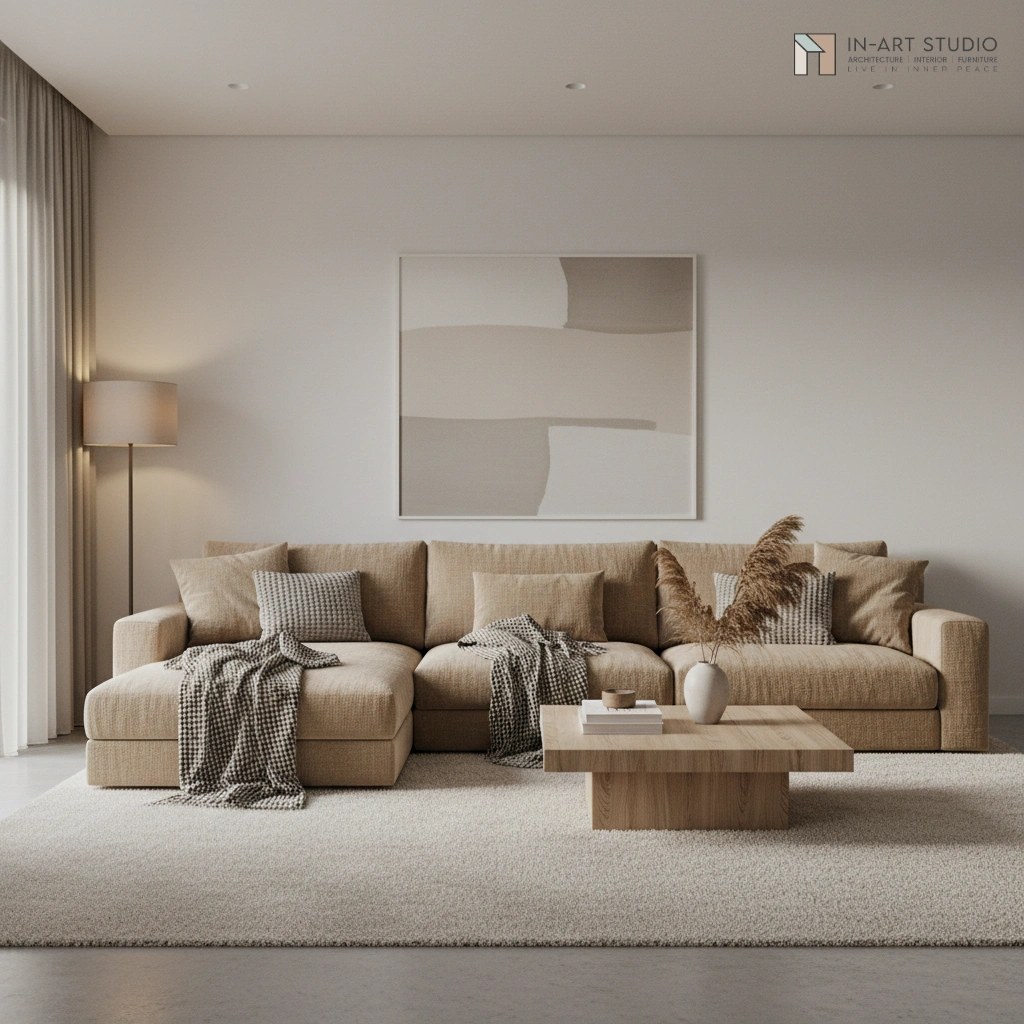
While vibrant colors often steal the show, neutral colors like white, gray, beige, and taupe are the unsung heroes of interior design, a foundation that the best interior design company in Bangladesh builds upon. They provide a sophisticated and versatile foundation that allows other elements in the room to shine. Neutrals are timeless and can create a sense of calm and order.
The power of neutrals lies in their subtlety. A crisp white can make a small space feel larger and more open, while a warm beige can create a cozy and inviting atmosphere. Gray, with its vast range of cool and warm tones, has become a modern staple for its ability to be both chic and comforting.
A well-executed living space interior design concept often uses a neutral palette as its base, layering in texture and pops of color for interest. This approach ensures the design has longevity and can be easily updated over time. Neutrals provide the perfect backdrop for your life, allowing your personality to be expressed through art, furniture, and accessories.
Summary
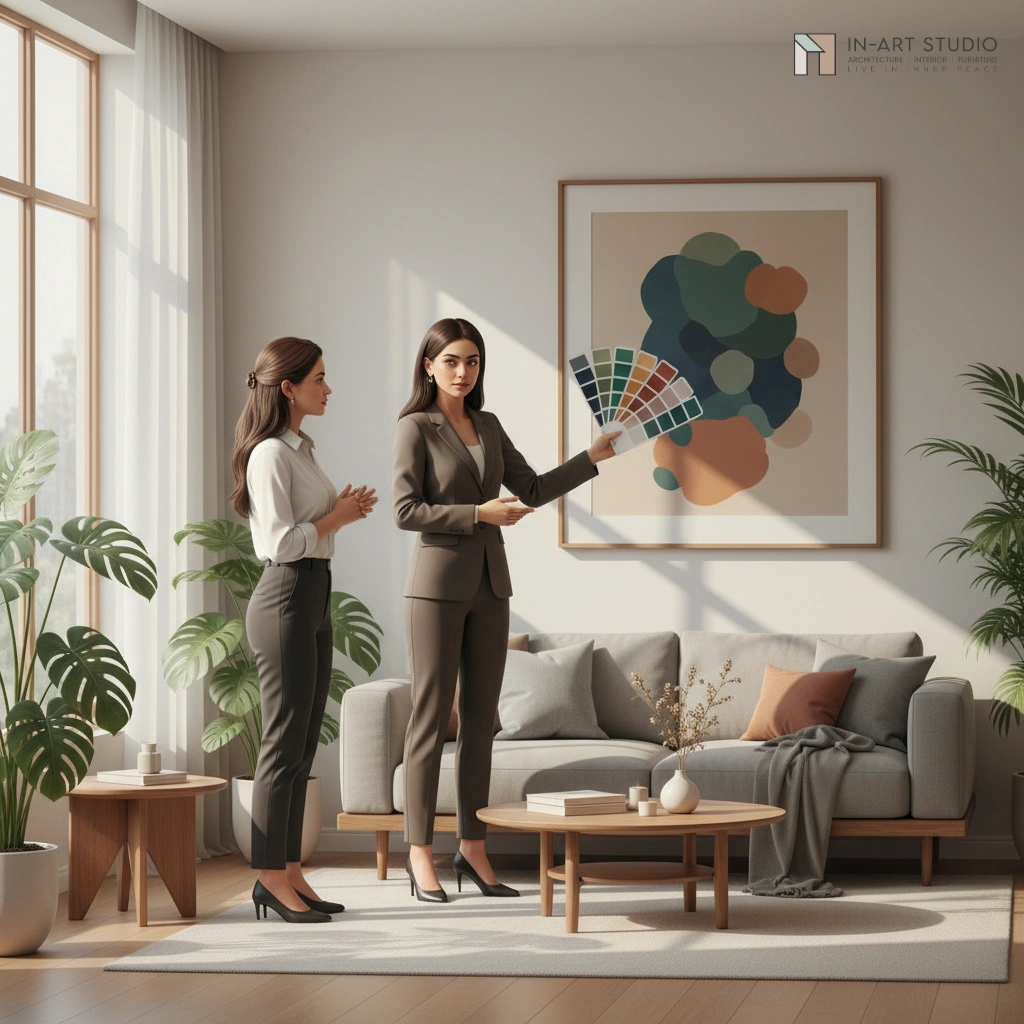
The colors you choose for your home are far more than a decorative afterthought; they are a fundamental element of how your space feels and functions. The principles of color psychology provide a roadmap for creating an environment that aligns with your emotional needs. Cool colors like blues and greens are peaceful room colors that can help you “Live in Inner Peace,” fostering calm and tranquility. Warm hues like reds and yellows are energetic room colors that bring life and vibrancy to social spaces. By understanding how room Color Psychology affects mood, you can thoughtfully craft a home, from a compact flat to a large duplex interior design in Dhaka that is not just a place to live, but a sanctuary designed for your well-being.
By applying the principles of color psychology, homeowners can create interiors
that feel balanced, emotionally supportive, and aligned with everyday living
needs.
Frequently Asked Questions (FAQ)
Q:Why do certain colors make a room feel more positive?
A: Colors influence emotions through psychological and sensory responses. Warm
and bright colors such as yellow and orange often create feelings of optimism,
energy, and warmth, which is why they make spaces feel more positive and lively.
Q:Is yellow a good color choice for small rooms?
A: Yes, lighter shades of yellow can make small rooms feel brighter and more open.
Soft yellow tones reflect light well and help create a cheerful atmosphere without
making the space feel crowded.
Q: Is white a good color for a living room?
A: White can be an excellent choice as it makes a living space interior design feel open, clean, and airy. However, to avoid a sterile look, it’s best to use different shades of white and layer in various textures through rugs, pillows, and curtains to add warmth and depth.
Q: Can orange be used in modern interior design??
A: Orange works well in modern interiors when used thoughtfully. Muted shades like
terracotta or burnt orange add warmth and character, especially when paired with
neutral colors and clean design lines.
Q: Do bright colors affect mental energy?
A: Bright colors can increase mental stimulation and alertness. When used in
moderation, they support creativity and motivation, but overuse may cause visual
fatigue or restlessness.